
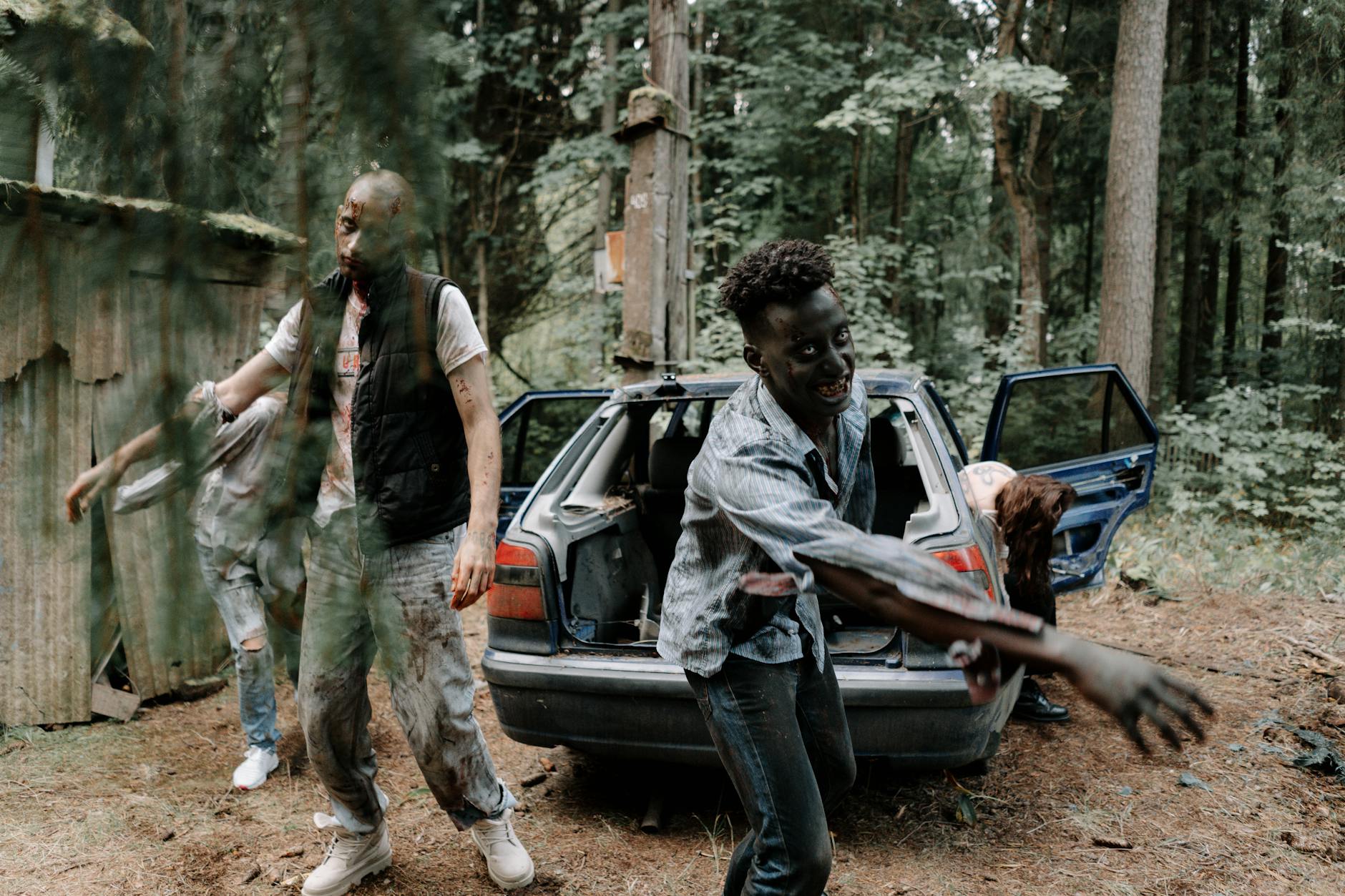
Horror survival games have gained immense popularity for their thrilling narratives and intense gameplay that often keep players on the edge of their seats. These games immerse players in chilling environments where survival hinges on resource management and strategic thinking. As the genre evolves, understanding the intricacies behind successfully navigating these experiences can enhance not only enjoyment but also effectiveness in gameplay.
Players often find themselves faced with a variety of threats, from grotesque monsters to psychological horrors that test their mental resilience. Mastering strategies tailored to these aspects can significantly improve survival chances.
Understanding Game Mechanics
Each horror survival game features unique mechanics that affect gameplay. Familiarizing yourself with these systems is vital. For instance, in games like “Resident Evil” or “Outlast”, players must often manage inventory space effectively while navigating treacherous settings. Understanding how to utilize items-such as healing supplies, weapons, or distraction tools-can be the difference between life and death.
Resource Management and Exploration
Exploration is a crucial element in horror survival games. In “The Last of Us”, scavenging for supplies and crafting materials is essential for survival. Players should prioritize exploring every nook and cranny of their environment, as overlooked areas may contain life-saving resources. Moreover, knowing when to retreat or engage with enemies is as important as the resources they collect. Sometimes, survival means avoiding unnecessary combat.
Psychological Factors in Gameplay
One often overlooked aspect of horror survival is the impact of fear on decision-making. Players can experience heightened anxiety and panic, leading to rash decisions. Utilizing techniques such as deep breathing or taking short breaks can be beneficial. Additionally, some players find that familiarizing themselves with the game’s story and lore can reduce anxiety by making the unknown more predictable.
Community Engagement and Strategies
The horror survival gaming community is rich with experienced players sharing insights and strategies. Participating in forums or watching streams can expose players to unique strategies and techniques that may not be immediately apparent through gameplay alone. Observing how others tackle challenges can provide new perspectives and solutions.
The Importance of Adaptability
Each playthrough can present different challenges, so adaptability is crucial. Understanding that no two encounters will be the same encourages players to think critically about their environment and available resources. Games like “Dead by Daylight” illustrate this; players often must adapt their strategies based on the killer’s behavior, creating a dynamic experience that emphasizes the need for quick thinking and flexibility.
In conclusion, thriving in horror survival games requires a multifaceted approach that combines strategic resource management, psychological resilience, and community engagement. By honing these skills and understanding the game mechanics, players can significantly enhance their survival odds and overall enjoyment of the genre.














Leave a Reply