

Criminal psychology delves into the minds and behaviors of individuals who engage in criminal activities. By examining the psychological factors that influence criminal behavior, professionals in this field can contribute to law enforcement, rehabilitation, and crime prevention. This intersection of psychology and criminology offers unique insights that can help society understand and address various forms of crime.
At the core of criminal psychology lies the exploration of motives, personality traits, and environmental influences that drive individuals to commit crimes. Understanding these elements is crucial for developing effective intervention strategies and improving the justice system.
Key Theories in Criminal Psychology
Several theories have emerged within criminal psychology that provide frameworks for understanding criminal behavior. One of the most prominent is the strain theory, which posits that social structures within society can pressure individuals to commit crimes. For instance, when legitimate means of achieving societal goals are blocked, individuals may turn to crime as an alternative path to success.
Another influential theory is the social learning theory, which suggests that behavior is learned through interactions with others. This theory emphasizes the role of family, peers, and media in shaping an individual’s behavior. Research indicates that children exposed to criminal behavior in their environments may be more likely to adopt similar behaviors.
Criminal Profiling and Its Importance
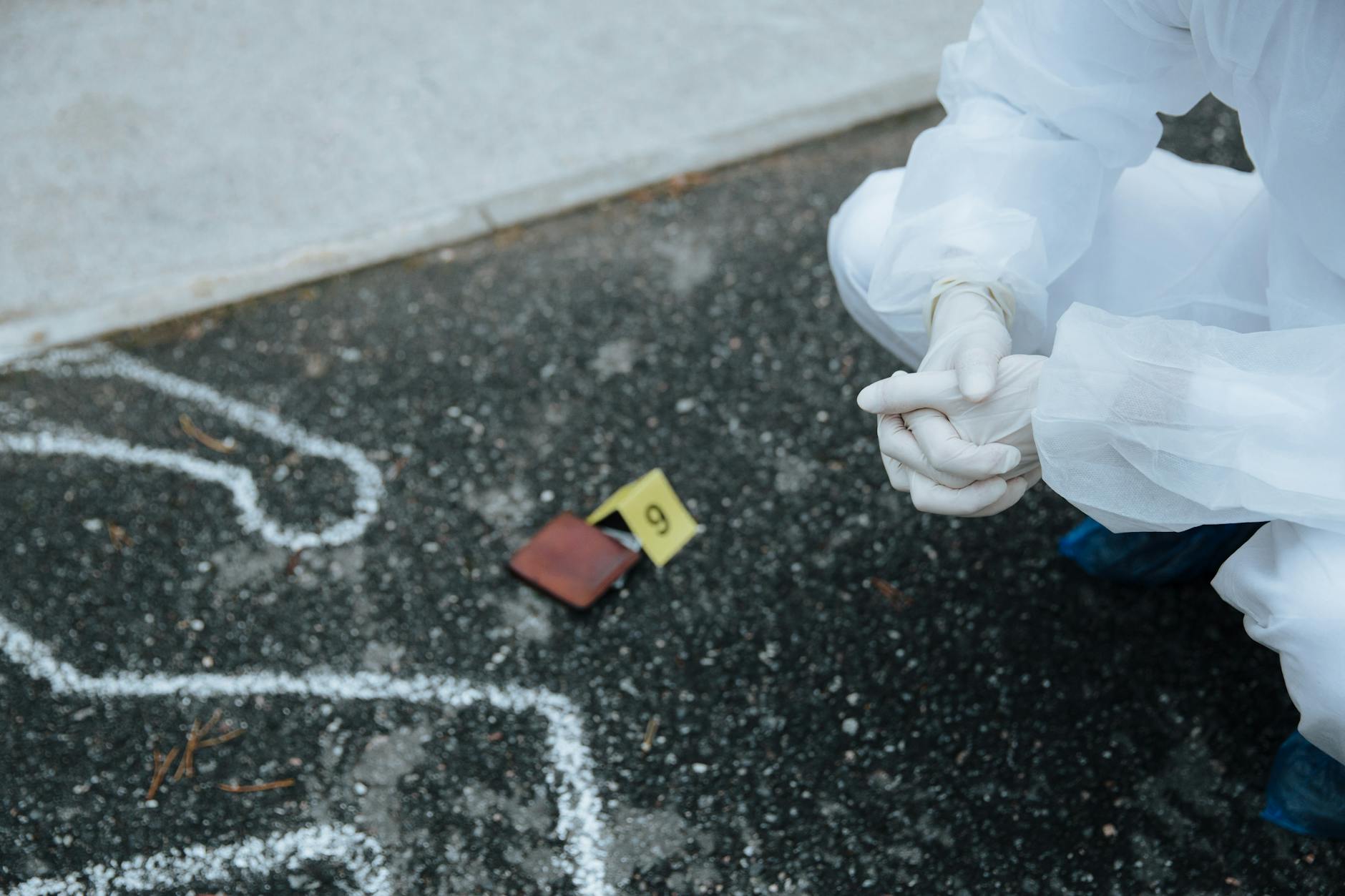
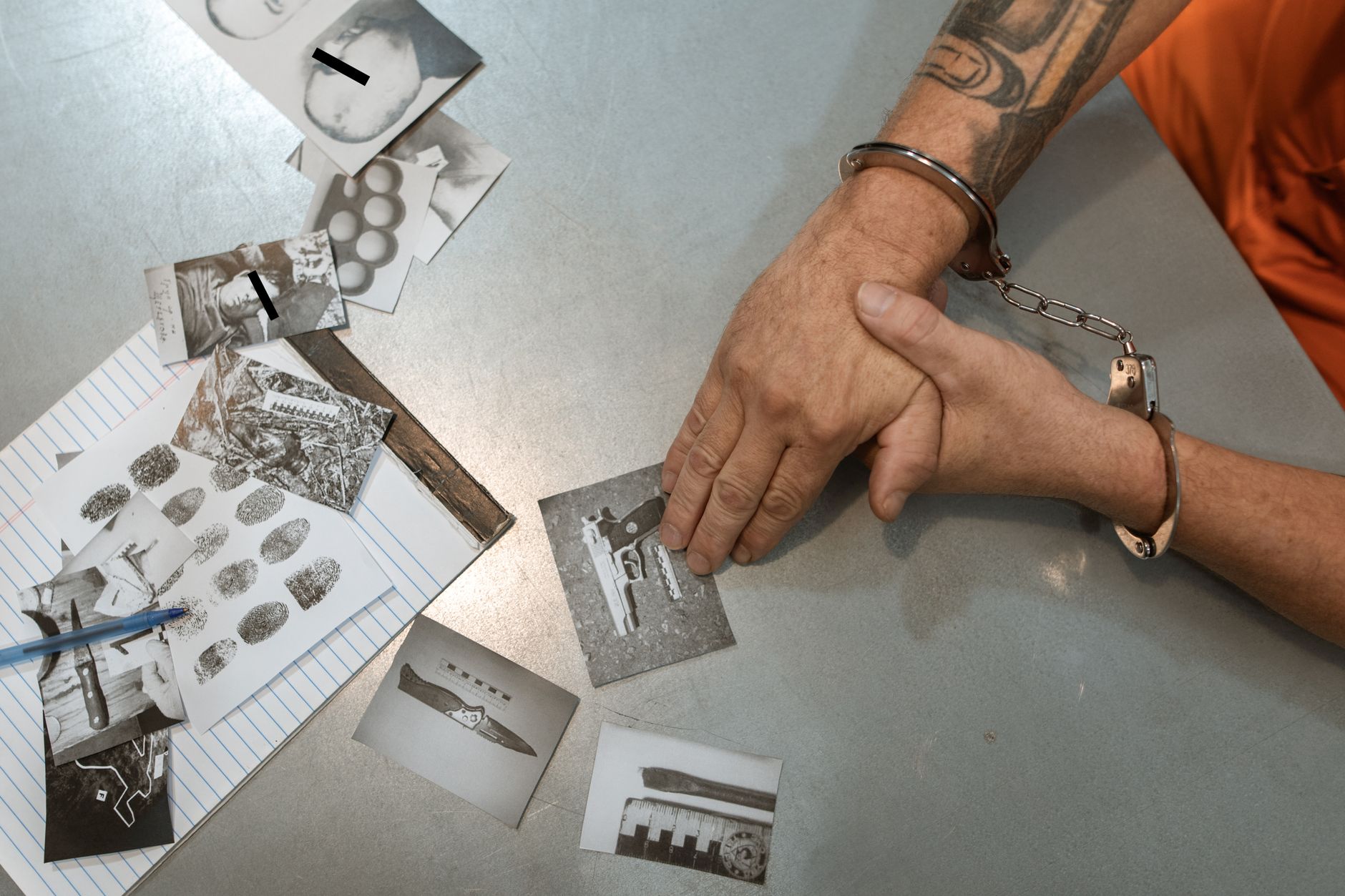
Criminal profiling is a critical application of criminal psychology that aims to identify the characteristics of offenders based on their crimes. This technique has been used effectively in high-profile cases to narrow down suspects. For example, the FBI’s Behavioral Analysis Unit uses profiling to understand the patterns and behaviors of serial offenders, helping them anticipate future actions and prevent further crimes.
The accuracy of criminal profiling depends heavily on empirical data and psychological theory. Profiles are often constructed using information about the crime scene, victimology, and any previous offenses. This data helps investigators develop a portrait of the likely offender, which can be essential in apprehending suspects.
Challenges and Misconceptions
Despite its valuable insights, criminal psychology faces challenges. One common misconception is that all criminals exhibit distinct psychological abnormalities or sociopathic traits. In reality, many individuals who commit crimes may not fit these stereotypes; they can appear normal while harboring criminal intents.
Furthermore, the stigma surrounding mental health issues can complicate the understanding of criminal behavior. Not all individuals with psychological disorders are violent or predisposed to crime. Many are more likely to be victims than perpetrators, which highlights the need for nuanced perspectives in criminal psychology.
Future Directions in Criminal Psychology
The future of criminal psychology is likely to be shaped by advancements in technology and research methods. The integration of neuroscience with psychological theories offers promising avenues for understanding the biological correlates of criminal behavior. For example, brain imaging studies have shown that certain areas of the brain may be associated with impulsivity and aggression.
Moreover, the growing use of big data analytics in criminal investigations presents opportunities for better prediction and prevention strategies. By analyzing large datasets from social media and crime reports, researchers can identify patterns and risk factors that contribute to criminal behavior, ultimately leading to more effective interventions.










Leave a Reply