
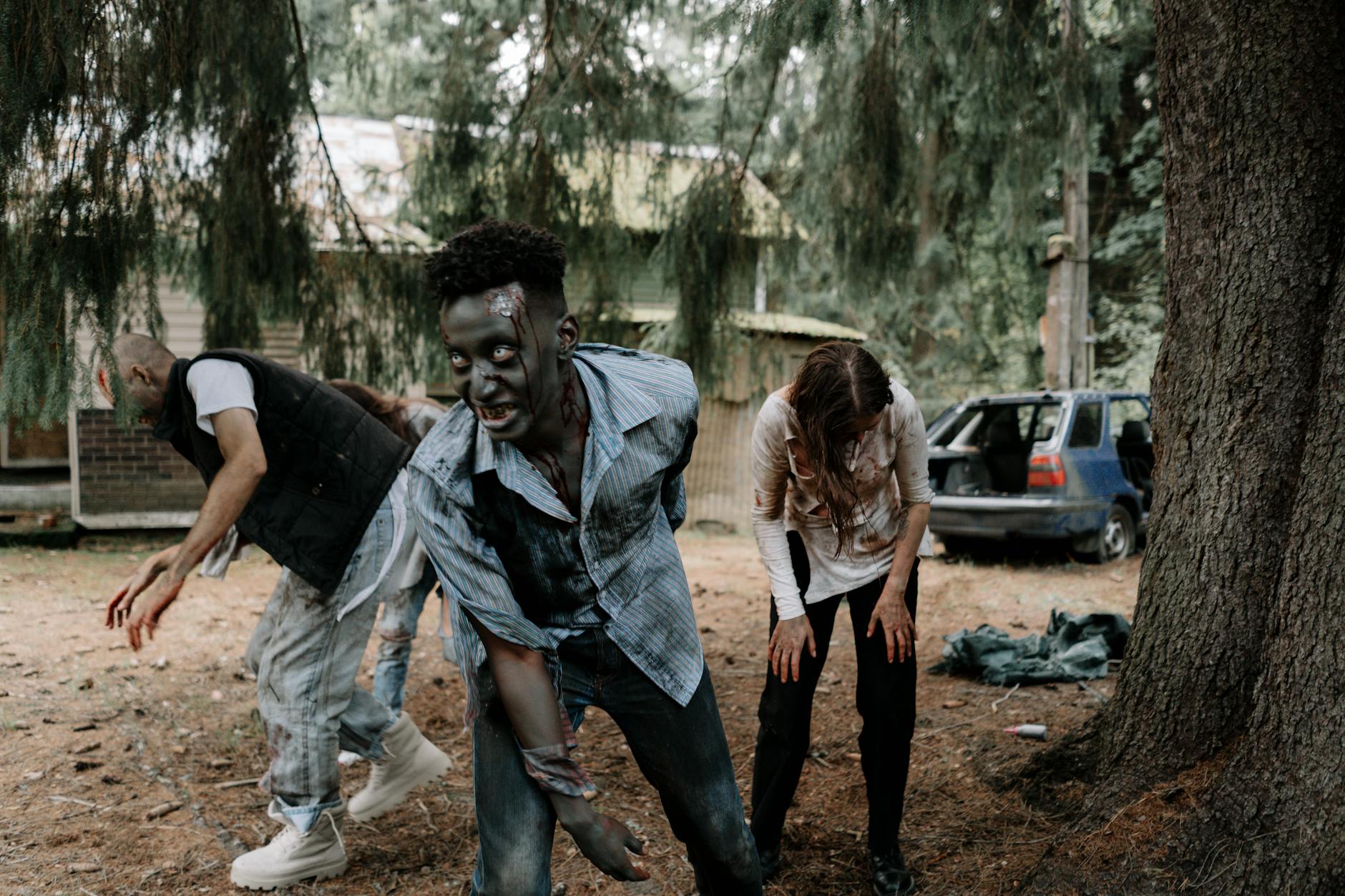
Understanding Horror Survival
Horror survival is a genre that captivates audiences with its intense atmosphere and psychological tension. This genre often combines elements of horror with survival mechanics, immersing players or characters in terrifying scenarios where they must navigate threats while managing resources. The essence of horror survival lies not just in the fear of the unknown, but also in the struggle for survival against insurmountable odds.
The Origins of Horror Survival
The roots of horror survival can be traced back to early literature and films. Classic tales such as Mary Shelley’s “Frankenstein” or Bram Stoker’s “Dracula” set the stage for what would evolve into modern horror narratives. In gaming, the genre began to take shape with titles like “Resident Evil” and “Silent Hill,” which introduced players to a world where they must confront their fears while battling foes and solving puzzles.
Key Elements of Horror Survival Games
Several core components define the horror survival genre. First, atmosphere plays a crucial role. Settings are often dark, isolated, and filled with an array of sound effects designed to elicit fear. The use of lighting and sound can heighten tension, making players more susceptible to jumpscares.
Second, limited resources are a hallmark. Players frequently find themselves low on ammunition, health supplies, or tools, forcing them to make critical decisions about when to confront enemies or flee. This scarcity elevates the tension and instills a sense of dread, as every encounter could mean the end.
Psychological Aspects
The psychological dimension of horror survival is perhaps its most compelling aspect. Fear is not just a response to what is visually present; it is also influenced by what is suggested or implied. The unknown can be more frightening than the known, and horror survival thrives on this principle. Players or characters may experience paranoia, anxiety, and even hallucinations, making their journey through the horror landscape even more complex.
Strategies for Success in Horror Survival
When engaging with horror survival narratives, whether in games or literature, there are several strategies that can enhance the experience. First, take your time to explore environments fully. Often, valuable resources are hidden in corners, and a thorough search can make a significant difference.
Another strategy is to remain calm under pressure. Panic can lead to poor decision-making, which may result in losing vital resources or facing dire consequences. Learning to manage fear and anxiety is essential for navigating these harrowing situations effectively.
The Impact of Horror Survival on Culture
Horror survival has not only influenced gaming and literature but has also left its mark on film and television. Shows like “The Walking Dead” and films like “A Quiet Place” showcase how survival against monstrous entities can create gripping narratives that resonate across various media. The popularity of the genre continues to grow, as audiences seek out new experiences that challenge their perceptions of fear.
Conclusion
In summary, horror survival is a multifaceted genre that blends fear with the instinct to survive. Its origins in literature and evolution into gaming and film highlight its enduring appeal. As creators continue to innovate within this space, the genre will likely remain a focal point of exploration in storytelling, captivating audiences with the primal fear of what lurks in the shadows.










Leave a Reply