
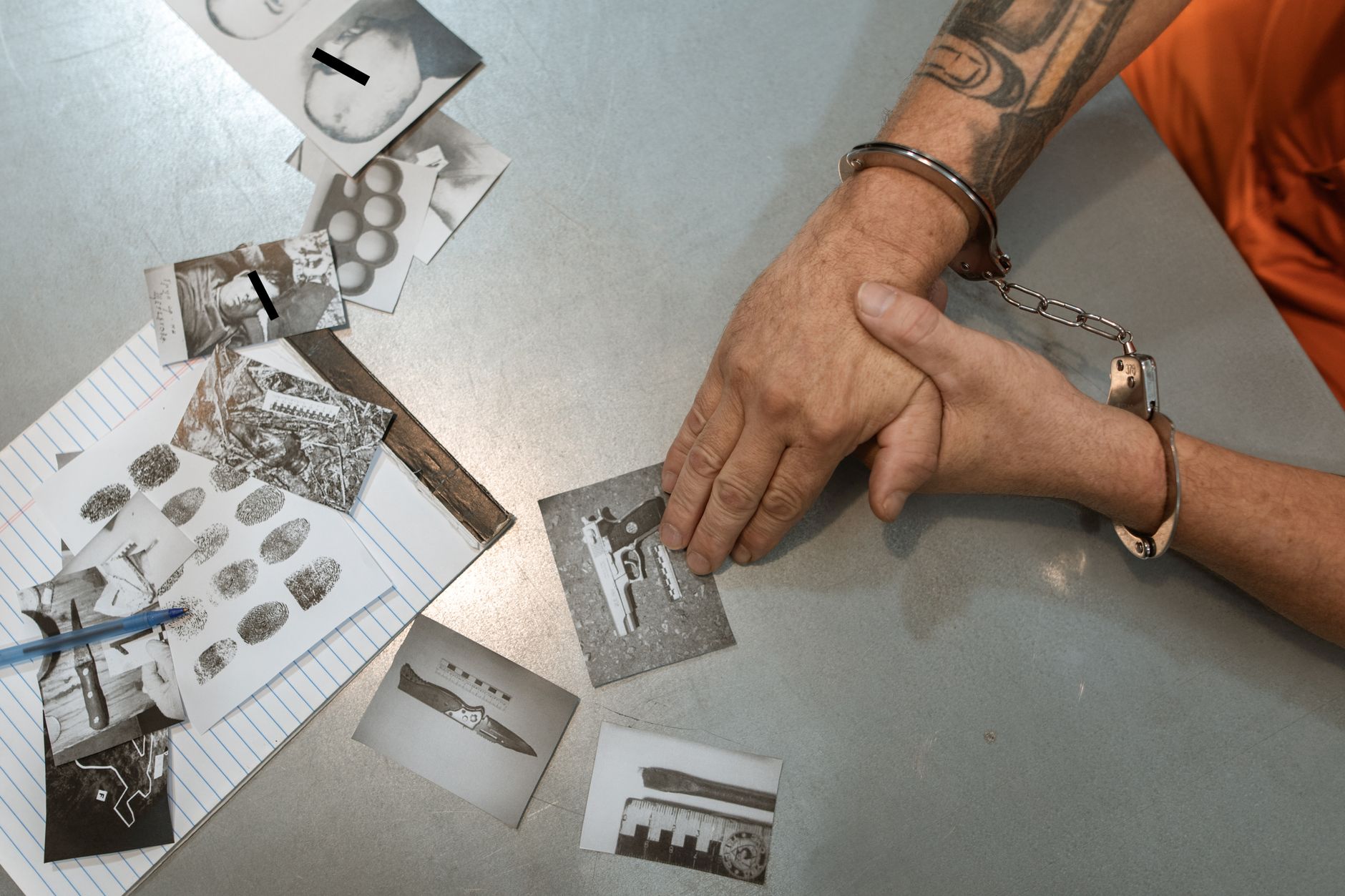
Crime simulation has emerged as a vital tool in training law enforcement and criminal justice professionals. This technique involves creating realistic scenarios to prepare individuals for the complexities they may encounter in the field. By immersing trainees in lifelike situations, crime simulation fosters critical thinking, decision-making, and teamwork skills that are essential for effective law enforcement.
In this article, we will explore ten effective techniques that enhance the realism and effectiveness of crime simulation training.
1. Scenario-Based Learning
One of the most powerful methods of crime simulation is scenario-based learning. This approach involves developing specific scenarios that reflect real-world crime situations. For instance, a training exercise might simulate a domestic disturbance where officers must assess the situation, communicate with involved parties, and diffuse potential violence. Incorporating varied scenarios, from traffic stops to armed confrontations, equips trainees with the experience to handle diverse situations.
2. Role-Playing
Role-playing allows trainees to immerse themselves in their assigned roles, whether as officers, suspects, or witnesses. This engagement deepens understanding of different perspectives, which is crucial in law enforcement. A role-play situation involving a suspect with a mental health issue helps trainees practice de-escalation techniques, ultimately leading to better outcomes in real-life encounters.
3. Use of Technology
Technology plays a significant role in enhancing crime simulations. Virtual reality (VR) and augmented reality (AR) can create immersive experiences that traditional methods cannot. For example, VR can simulate a high-stress environment where officers must make split-second decisions under pressure. Such technology not only boosts engagement but also allows for a safe environment to learn from mistakes.
4. Incorporating Realistic Props
Using realistic props, such as fake weapons or set designs that mimic real-life locations, can enhance the veracity of training exercises. An environment resembling a familiar neighborhood or a specific building can make scenarios more relatable and impactful. This level of realism helps trainees better envision the crime scenes they may encounter.
5. Cross-Training with Other Agencies
Collaborating with other agencies, such as fire departments or emergency medical services, can enrich crime simulations. Training together helps foster communication and teamwork among different responders. For example, a joint training exercise involving active shooter scenarios enables police, paramedics, and fire personnel to coordinate their responses, improving overall effectiveness in emergencies.
6. Debriefing and Feedback
After each simulation, conducting a debriefing session is crucial. This allows participants to reflect on their actions, discuss what worked, and identify areas for improvement. Feedback from experienced trainers or peers can provide valuable insights that enhance learning and retention of skills.
7. Incorporating Legal and Ethical Considerations
Incorporating legal and ethical considerations into simulations is vital for comprehensive training. Trainees should be made aware of laws regarding use of force, rights of suspects, and ethical decision-making in complex scenarios. Understanding these principles is essential for developing judicious and effective law enforcement practices.
8. Fostering Emotional Resilience
Crime simulation can evoke strong emotional responses. Preparing trainees for these feelings can enhance their emotional resilience. Techniques such as mindfulness and stress management can help law enforcement personnel better handle the psychological toll of their jobs, contributing to overall well-being and job performance.
9. Multi-Disciplinary Teams
Creating multi-disciplinary teams for simulations can provide diverse insights and strategies. For example, involving mental health professionals in crisis intervention scenarios allows trainees to learn about various approaches to handling sensitive situations. This collaboration enhances officers’ ability to understand and manage complex human interactions.
10. Continuous Assessment and Improvement
Continuous assessment of training programs is essential for their effectiveness. Gathering data on the outcomes of simulations, such as response times and decision-making quality, can inform ongoing improvements. Regular updates to scenarios based on recent crime trends or emerging challenges ensure training remains relevant and impactful.













Leave a Reply